
Cold Weather BBQ Tips | Cooking Charcoal In Winter Australia
Author: Sasha Halabi Date Posted:26 May 2026
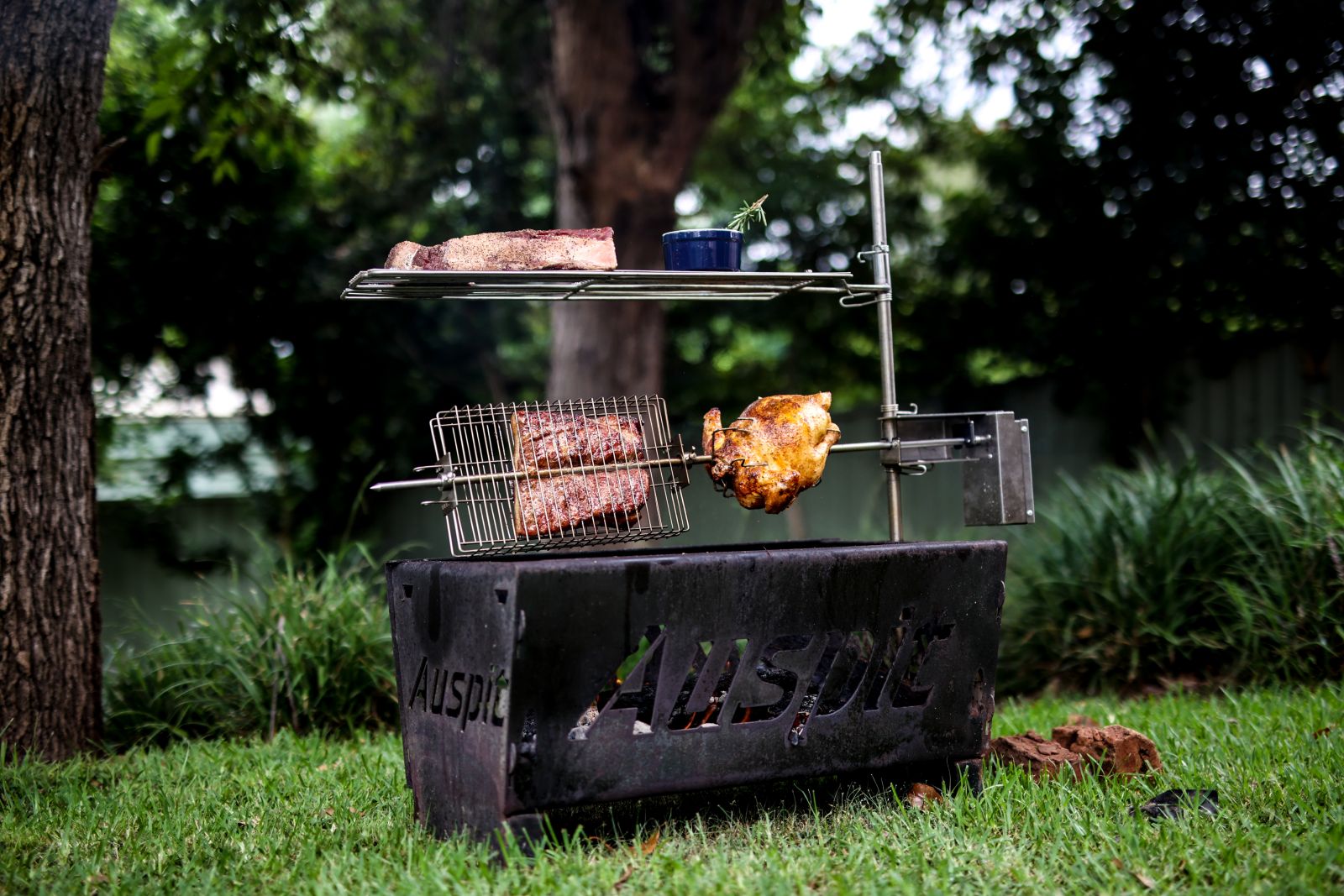
As the weather cools down across Australia, a lot of people pack the BBQ away.
Big mistake…
Cold weather is actually one of the best times to cook over charcoal. The fire becomes more enjoyable, the food suits slower cooking, and you are not battling extreme heat while standing over coals.
The only challenge is that charcoal behaves differently in colder conditions.
If you have ever struggled to keep your fire going, noticed longer cooking times, or felt like your BBQ just was not performing the same, this guide will show you exactly how to adjust.
Why Charcoal Cooking Changes In Cold Weather
When temperatures drop, your charcoal has to work harder.
Cold air pulls heat away from your cooking zone, and wind increases airflow, which can cause your coals to burn faster but less consistently.
This leads to:
- Slower heat build up
- More fuel being required
- Less stable cooking temperatures
- Longer cooking times
Understanding this is the first step in learning how to cook over charcoal when it is cold outside.
Start With More Charcoal Than You Normally Would
One of the biggest mistakes people make in cold weather is using the same amount of charcoal as they would in summer.
It is not enough. To maintain consistent heat, you need a stronger base.
Start with:
- A slightly larger charcoal bed
- Even distribution across your cooking area
- Enough fuel to sustain a longer cook
It is much easier to manage a strong fire than try to revive a weak one halfway through cooking.
Take Longer To Build Your Fire Properly
.jpg.jpg)
In warmer weather, charcoal catches quickly.
In colder conditions, it takes longer to fully ignite and reach cooking temperature.
Do not rush this step.
Let your charcoal:
- Fully light and ash over
- Settle into a steady burn
- Build a consistent heat base
If you cook too early, you will be chasing heat for the rest of the session.
Control Wind As Much As Possible
Wind is one of the biggest factors affecting charcoal cooking in cooler months.
Even a light breeze can:
- Cool down your cooking area
- Cause uneven burning
- Create flare ups
Position your setup carefully.
Use:
- A wall or fence as a windbreak
- Natural shelter where possible
- A stable, protected cooking area
This is especially important if you are using a small charcoal BBQ or cooking while camping.
Use Indirect Heat More Often
Cold weather cooking is not about blasting food with heat.
It is about steady, controlled cooking.
Indirect heat becomes even more important because it allows:
- Even cooking throughout the meat
- Better moisture retention
- Less risk of burning
For Auspit cooking, this works perfectly.
A consistent line of coals under the rotating meat allows the entire surface to cook evenly without harsh direct heat.
Expect Longer Cooking Times
One thing you need to accept is that everything will take a little longer.
The colder the air, the more heat your fire loses.
Instead of fighting it, plan for it.
Allow extra time for:
- Larger cuts of meat
- Whole chickens
- Lamb or pork on the spit
.jpg)
This slower pace often results in better flavour and more tender results.
Keep Your Cooking Height In Check
If your food is too far from the heat in cold conditions, it will struggle to cook properly. If it is too close, you risk burning the outside.
Finding the right balance is key.
With an Auspit, you can easily adjust height to suit the conditions. In colder weather, you may need to run slightly closer to the coals than you would in summer, but still far enough to avoid aggressive direct heat.
Manage Your Charcoal Throughout The Cook
Cold weather cooking requires a bit more attention to your fuel.
Keep an eye on:
- How quickly your charcoal is burning
- Any cold spots forming
- Drops in heat
Add charcoal gradually when needed, rather than waiting until your fire has already faded.
Consistency is everything.
Why Rotisserie Cooking Works So Well In The Cold
One of the biggest advantages of using an Auspit in colder weather is the rotation.
Instead of needing to constantly turn food manually, the spit keeps everything moving through the heat.
.jpg.png)
This helps:
- Maintain even cooking
- Prevent one side from cooling too much
- Retain moisture in the meat
- Reduce the need for constant checking
It turns a potentially frustrating cook into a much more relaxed experience.
Best Foods To Cook In Cooler Weather
Cold weather is perfect for slightly heavier, slower cooked meals.
Great options include:
- Whole chicken on the spit
- Lamb leg
- Pork roasts
- Chicken thighs and drumsticks
- Potatoes and pumpkin alongside the fire
These foods benefit from steady heat and longer cooking times.
Quick Tips For Cold Weather Charcoal Cooking
- Start with more charcoal than usual
- Let your fire fully establish before cooking
- Protect your setup from wind
- Use indirect heat for better control
- Allow extra cooking time
- Keep your charcoal topped up gradually
- Use rotation to maintain even cooking
Why You Should Keep Cooking Through Autumn And Winter
A lot of people stop cooking outdoors once summer ends. But cooler months often provide a better experience.
Less rushing, more time around the fire, and food that suits slower, more relaxed cooking. Once you understand how to adjust your fire, cold weather becomes an advantage, not a problem.
Final Thoughts
Learning how to cook over charcoal when it is cold outside comes down to a few simple changes.
Use more fuel, build your fire properly, protect it from wind, and cook a little slower. With the right setup and approach, your results can be just as good, if not better, than summer cooking.
And with an Auspit doing the hard work of rotation, you can focus less on managing the cook and more on enjoying it.
FAQ Section
Can you cook on a charcoal BBQ in cold weather?
Yes, you can cook on a charcoal BBQ in cold weather. You just need more charcoal, better wind protection, and a bit more time to maintain consistent heat.
Why does my charcoal BBQ struggle in winter?
Cold air pulls heat away from your fire and wind increases airflow, which can make charcoal burn unevenly or too quickly.
Do you need more charcoal in cold weather?
Yes, you typically need more charcoal to maintain heat in cooler conditions, as the environment reduces overall cooking temperature.


