How To Control Charcoal Grill Heat In Windy Or Cooler Weather
Author: Sasha Halabi
If you have ever struggled with how to control charcoal grill heat once the weather cools down or the wind picks up, you are not alone. Autumn conditions can turn a simple cook into something frustrating if you are not prepared.
Wind, cooler air, and changing conditions all affect how your charcoal burns. One minute your coals are running hot, the next they are fading out, and suddenly your timing is off.
Whether you are using a small charcoal BBQ, one of the portable small charcoal barbecue grills, or cooking with your Auspit setup, the same fundamentals apply. The difference is how you manage them.
Why Heat Becomes Harder To Control
Charcoal relies on airflow to burn. Wind increases oxygen, which can cause your coals to burn faster and unevenly. At the same time, cooler air pulls heat away from your cooking zone.
This is why your outdoor charcoal barbecue can feel unpredictable in autumn compared to summer.
The goal is not to fight the conditions, but to work with them.
.jpg "This is an image showing the Auspit")
Start With A Strong, Controlled Fire
The biggest mistake people make is starting with too little charcoal.
In cooler or windy weather, your fire needs a solid base to stay consistent. Instead of spreading coals thin, build a controlled bed of heat.
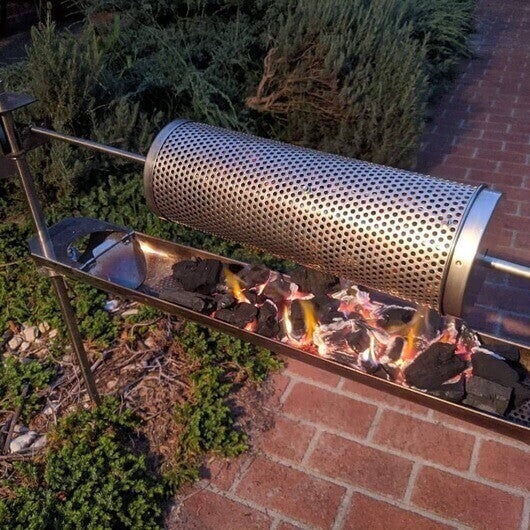
For Auspit users, this is even more important. A steady coal base under your spit ensures the rotation cooks evenly from end to end.
If you are using a charcoal spit roaster or Auspit, aim for an even line of coals rather than scattered heat.
Control Airflow And Positioning
Where you place your setup has a bigger impact than most people realise.
If your fire is exposed directly to wind, it will burn unevenly and lose heat quickly. Turn your setup away from the wind or position it near a safe windbreak like a wall or fence.
This is especially important with a small charcoal BBQ or compact setups, as they react faster to environmental changes.
Even the best charcoal BBQ setups in Australia will struggle if they are positioned poorly.
Manage Your Charcoal Properly
Good charcoal management is the key to consistency. Start strong, then maintain.
Add charcoal gradually rather than all at once, and avoid throwing in raw fuel that has not started catching. This can drop your temperature and disrupt the cook.
Watch your coals closely. A consistent glow across your fire bed is what you are aiming for.
This is one of the most important parts of charcoal heat control and something that improves with experience.
Use The Right Setup For The Conditions
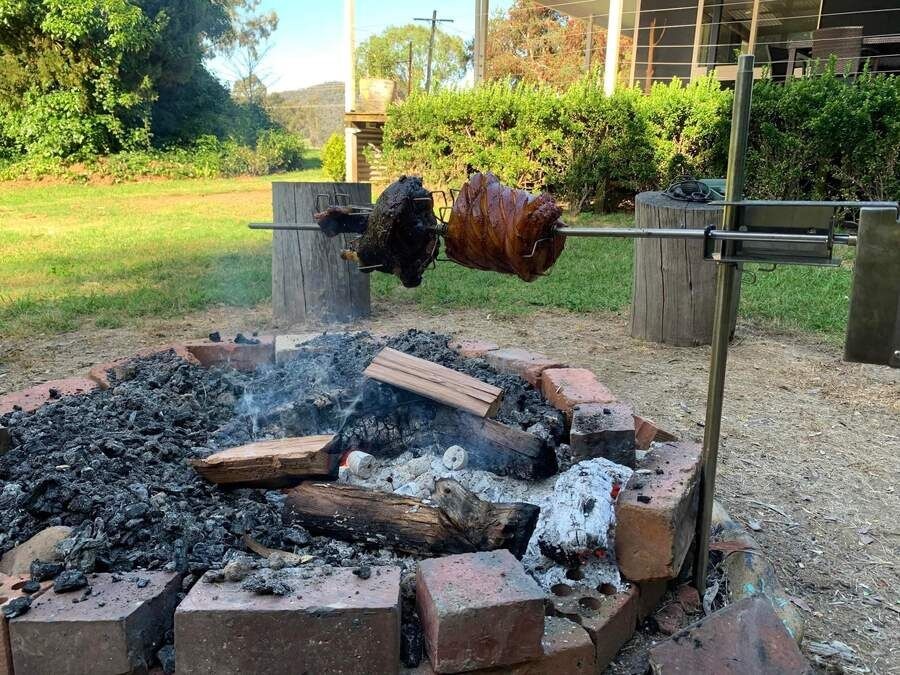
When cooking with an Auspit, you already have an advantage. The rotation allows your food to cook evenly without constant flipping or adjustment. That means your main focus becomes the fire itself.
Instead of managing both the food and the heat, you can let the motor do the work while you focus on keeping your charcoal steady. This is where Auspit really shines, especially in less predictable weather.
A Simple Solution For Wind & Cold
If you regularly cook in windy or cooler conditions, there is an easy way to improve your setup.
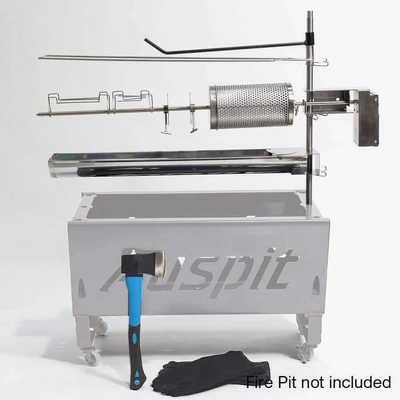
The Auspit Heat Accelerator is designed specifically for this.
It works by creating a more condensed and controlled heat zone, helping you maintain consistent temperatures even when the weather is working against you.
Using foil over the accelerator and fire tray, it helps trap and direct heat where you need it most.
It is particularly useful for:
- Windy conditions
- Cooler autumn and winter cooks
- Maintaining steady heat on longer cooks
You can check it out here:
Auspit Heat Accelerator
Auspit Fire Tray
For many users, this small addition makes a noticeable difference in how easy it is to manage the fire.
Adjust Your Expectations
Cooking over charcoal in autumn is not about rushing.
Allow more time, keep your heat steady, and focus on consistency rather than high heat.
This applies whether you are using small charcoal barbecue grills for a quick cook or running a full outdoor charcoal barbecue setup for a longer session.
Final Thoughts
Learning how to control charcoal grill heat comes down to a few key things. Start with enough fuel, control your airflow, position your setup properly, and stay consistent with your charcoal.
Once you get this right, windy and cooler weather stops being a problem.
It becomes part of the experience.
With the Auspit handling the rotation and the right fire management underneath, you can focus less on the mechanics and more on enjoying the cook.
FAQ
How do I control charcoal grill heat in windy conditions?
Position your setup out of direct wind, use a windbreak where possible, and maintain a steady bed of coals rather than spreading them too thin. Wind increases airflow, which can cause charcoal to burn faster and unevenly.
Why does my charcoal lose heat in cooler weather?
Cooler air draws heat away from your cooking zone. This means your charcoal has to work harder to maintain temperature, so you will often need more fuel and a more controlled fire setup.
Is it harder to cook on a small charcoal BBQ in autumn?
Smaller BBQs react faster to environmental changes, so yes, they can be more sensitive. However, with proper charcoal placement and airflow control, you can still maintain consistent heat.