How To Keep Meat Juicy Over Charcoal
Author: Sasha Halabi
Cooking over charcoal creates flavour that gas simply cannot match. The smoky aroma, crispy exterior, and slow cooked finish are what make charcoal cooking so rewarding.
But there is one challenge nearly every beginner runs into.
Dry meat.
Whether it is chicken that turns tough, lamb that loses moisture, or a roast that dries out before the centre is ready, learning how to keep BBQ meat juicy is one of the most important skills in outdoor cooking.
The good news is that it usually comes down to a few simple things. Heat control, patience, and letting the fire work with the meat instead of against it.
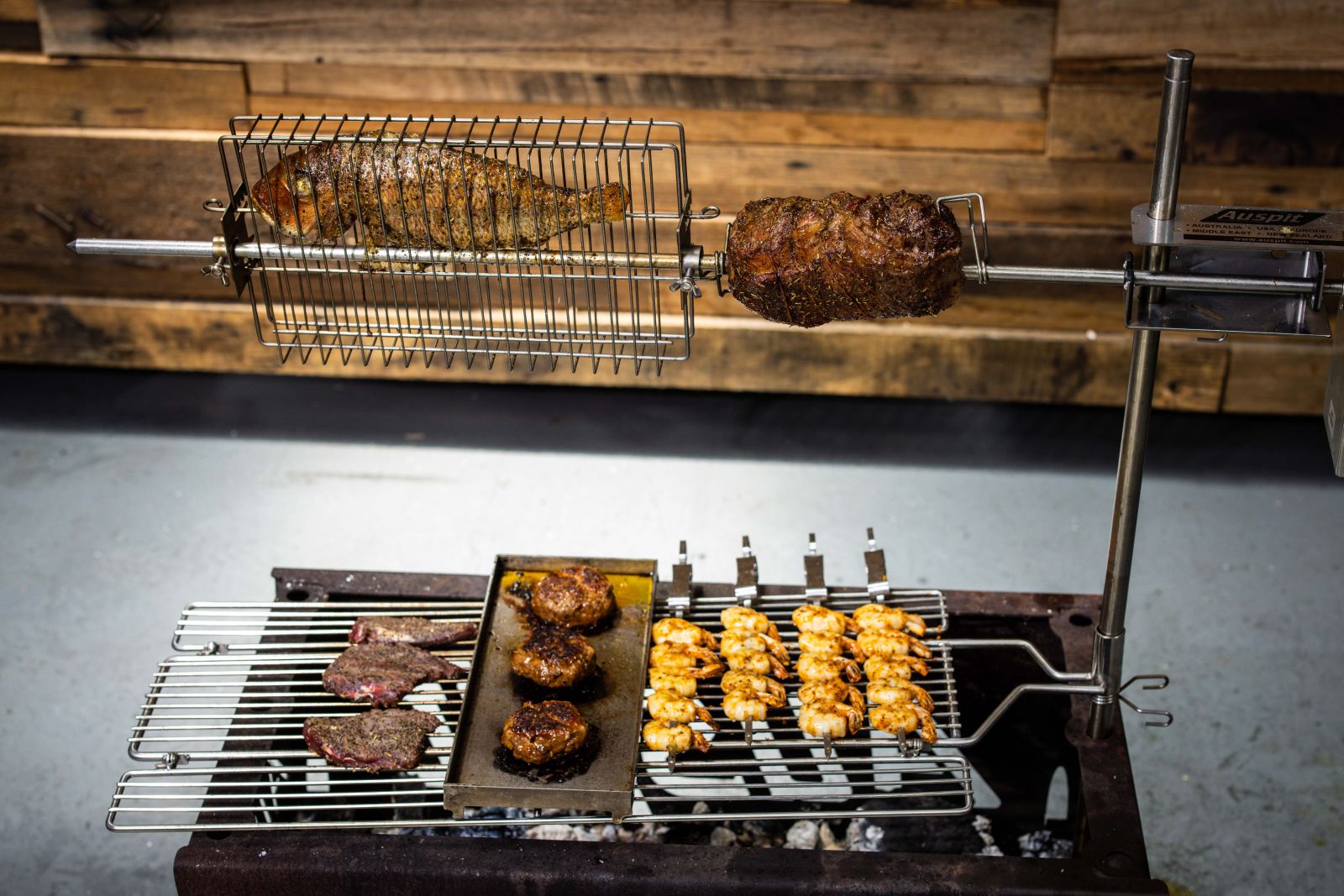
.jpg "This image shows the Auspit Rotisserie with the Firepit.")
Why Meat Dries Out Over Charcoal
Most dry BBQ meat comes from too much direct heat.
When flames or intense coals hit the outside of the meat too aggressively, moisture gets pushed out faster than the inside can cook properly.
This often happens when:
-
The meat is too close to the coals
-
The heat is too high
-
Flare-ups are not controlled
-
The meat is not rested properly after cooking
The key to juicy charcoal cooking is steady heat, not aggressive heat.
Use Indirect Heat For Better Results
If you want juicy rotisserie chicken or tender lamb on the spit, indirect heat is your best friend.
Instead of placing the meat directly over intense flames, position your charcoal so the heat surrounds the food more gently.
For Auspit cooking, this is especially important.
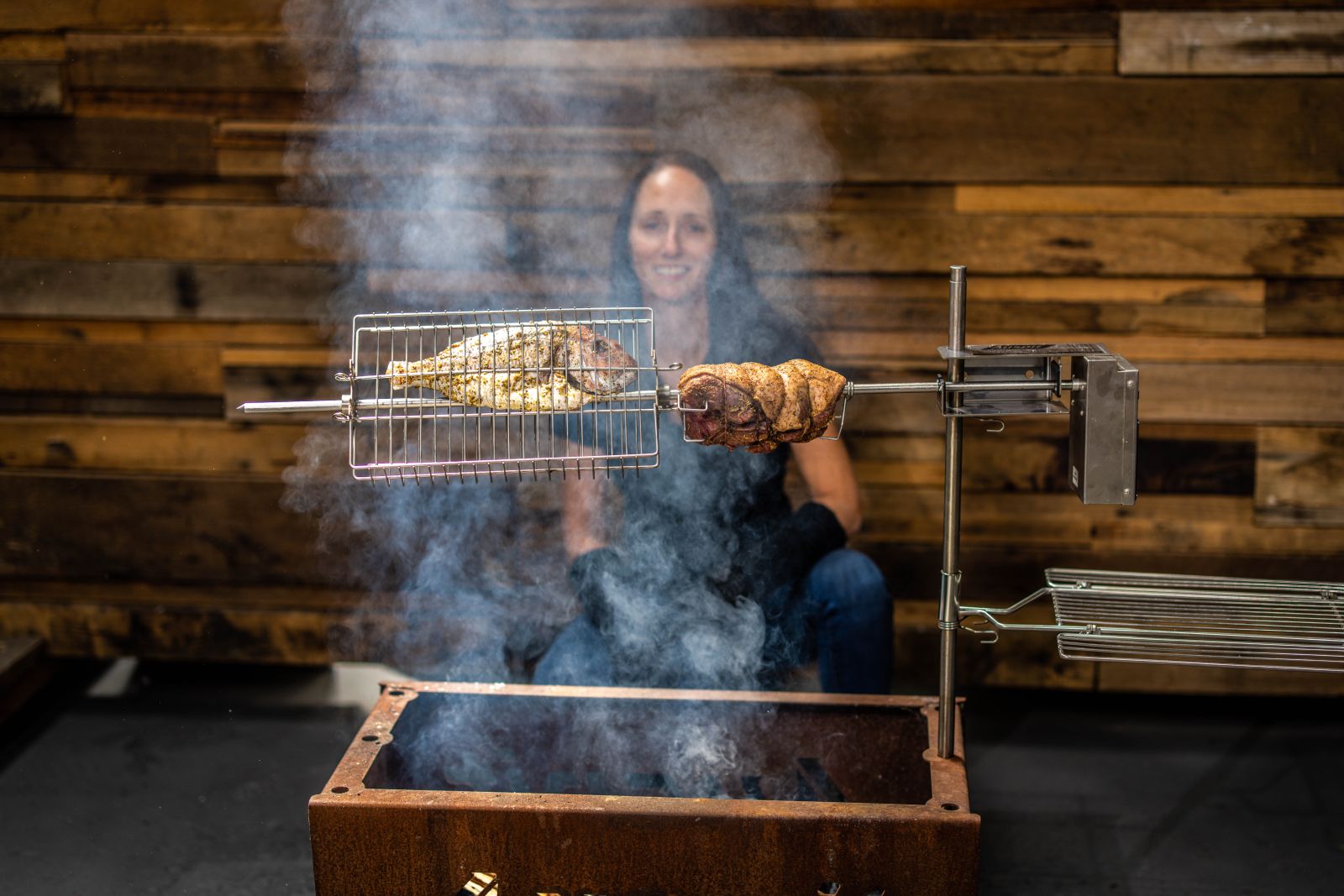
A steady line of coals underneath the rotating meat creates even cooking without blasting one section too hard. The rotation constantly exposes different sides of the meat to the heat, which helps retain moisture naturally.
This is one reason spit roasting consistently produces juicier results than static cooking.
Why Rotation Helps Keep Meat Juicy
Rotation is one of the biggest advantages of using an Auspit.
As the meat turns slowly:
-
Juices move throughout the meat
-
Fat renders more evenly
-
One side never gets overloaded with heat
-
The exterior cooks consistently without burning
This creates natural self-basting during the cook.
For juicy lamb on spit setups, this is especially noticeable. The fat slowly renders and coats the outside while the meat stays tender inside.
The same principle applies to juicy rotisserie chicken. Instead of drying out on one side, the entire bird cooks evenly while retaining moisture.
Do Not Cook Too Close To The Fire
One of the most common mistakes people make is lowering the meat too close to the charcoal.
Higher heat does not mean faster or better cooking.
It usually means:
-
Burnt exterior
-
Dry centre
-
Flare ups
-
Uneven cooking
A little distance between your coals and the meat allows the heat to work more gradually.
With an Auspit, adjusting height is simple and can completely change the quality of your cook.
Manage Flare Ups Properly
Fat dripping onto charcoal is part of what creates incredible flavour. But too many flare-ups quickly become a problem.
Large flames burn the outside before the inside is ready, and can dry out meat fast.
To control flare-ups:
-
Keep your coals evenly spread
-
Avoid piling too much charcoal directly under fatty sections
-
Move the meat slightly higher if flames become aggressive
-
Use a drip tray if needed for very fatty cuts
Controlled heat always wins over uncontrolled flames.
Fat Is Your Friend
When cooking over charcoal, fat is what helps keep meat moist.
Cuts with a bit more fat generally perform better because the fat slowly renders during the cook.
Great examples include:
-
Lamb shoulder
-
Chicken thighs
-
Pork belly
-
Whole chickens
-
Marbled beef cuts
As the fat melts, it naturally bastes the meat and helps protect it from drying out.
This is why juicy lamb on the spit often relies on slightly fattier cuts rather than very lean meat.
Resting Meat Properly Matters
One of the biggest mistakes happens after the cook is finished.
Cutting meat immediately causes juices to run straight out.
Resting allows those juices to redistribute throughout the meat instead of spilling onto the cutting board.
General resting guide:
-
Chicken: 10 to 15 minutes
-
Lamb roasts: 15 to 20 minutes
-
Larger beef cuts: 20 to 30 minutes
It might feel tempting to carve straight away, but patience here makes a huge difference.
Best Meats For Juicy Charcoal Cooking
If you are starting out, these are some of the easiest cuts to keep juicy over charcoal:
Whole Chicken
A classic for juicy rotisserie chicken. The skin protects the meat while the rotation cooks it evenly.
Lamb Shoulder
Excellent fat content and ideal for slow spit roasting.
Pork Belly
Fat renders beautifully over charcoal while keeping the meat tender.
Chicken Thighs
Harder to dry out compared to chicken breast, and full of flavour.
Quick Tips To Keep BBQ Meat Juicy
Here are the biggest takeaways:
-
Use indirect heat where possible
-
Avoid cooking too close to the coals
-
Let the Auspit rotation work for you
-
Control flare-ups early
-
Choose cuts with some fat content
-
Always rest your meat before carving
Simple adjustments make a massive difference.
Why Auspit Makes Juicy Cooking Easier
One of the reasons so many people love cooking on an Auspit is because it removes much of the guesswork.
The rotation constantly moves the meat through the heat, helping it cook evenly while naturally retaining moisture.
Instead of constantly turning or flipping food manually, the spit does the work for you.
That means more consistency, less stress, and better results.
Final Thoughts
Learning how to keep BBQ meat juicy is less about complicated techniques and more about understanding heat and patience.
Steady charcoal, indirect cooking, proper rotation, and resting meat properly all work together to create better results.
Whether you are cooking juicy rotisserie chicken for the family or preparing juicy lamb on spit for a weekend cook up, the same principles apply.
Control the fire, trust the process, and let the charcoal work slowly. That is where the magic happens.
FAQ Section
How do you keep BBQ meat juicy over charcoal?
Use indirect heat, avoid cooking too close to the coals, manage flare ups, and rest the meat after cooking. Consistent heat is the key to juicy charcoal cooking.
Why is rotisserie chicken juicier than regular BBQ chicken?
Rotation allows the meat to self baste as it cooks, helping juices and rendered fat move evenly throughout the chicken.
What is the best meat for juicy spit roasting?
Cuts with moderate fat content work best, including lamb shoulder, whole chicken, pork belly, and chicken thighs.